Optimal Timing for Water Treatments
Water treatments are essential for maintaining water quality and ensuring safety in various applications. Proper timing of treatments can optimize effectiveness and reduce costs. Typically, water treatments are most effective when scheduled during periods of low usage or before seasonal changes that may impact water quality.
Spring and fall are ideal times for water treatments to prepare for seasonal shifts in water demand and quality.
Treatments are best scheduled during low usage periods to ensure thorough application and monitoring.
Monitoring water quality regularly helps identify the optimal timing for treatments to address specific issues.
Pre-treatments before peak usage seasons can prevent contamination and buildup.
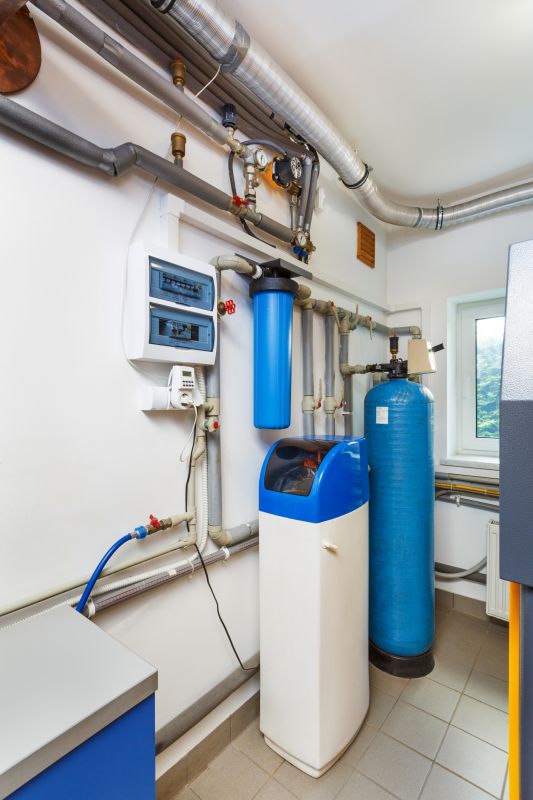
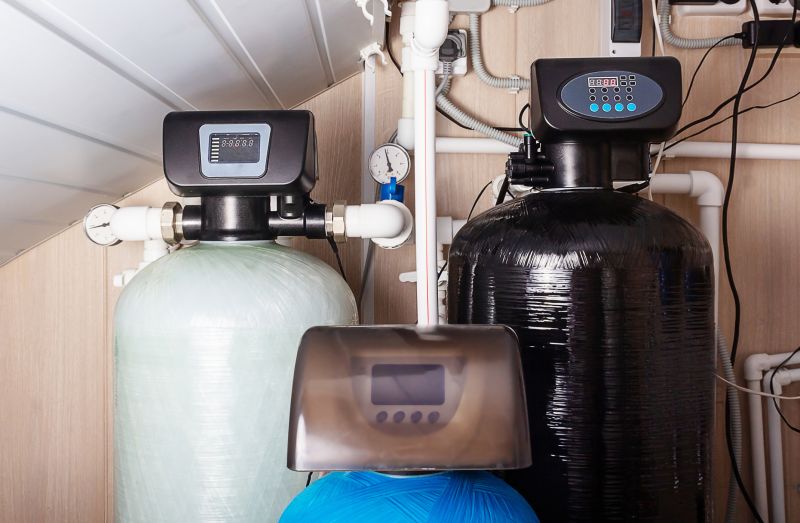
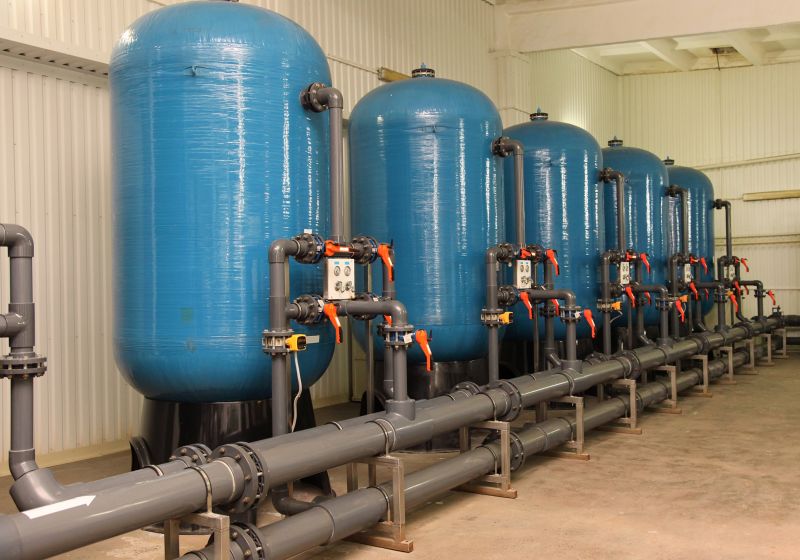
Industrial water treatment systems in operation.
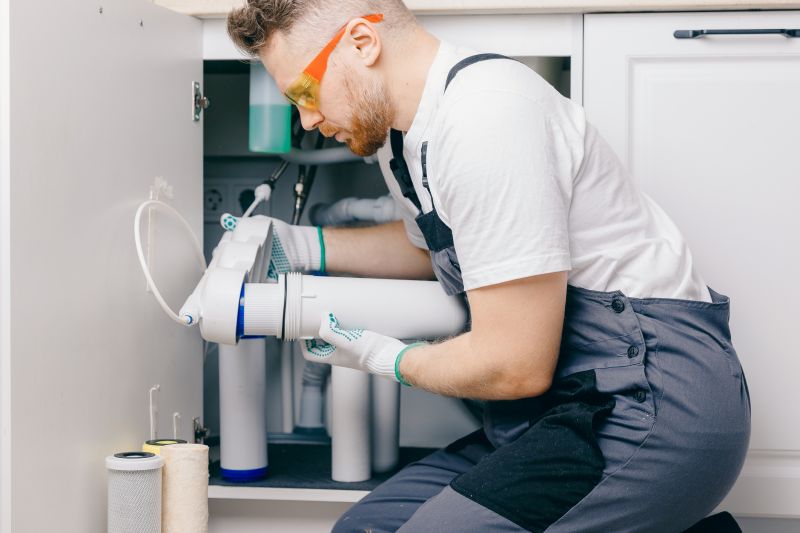
Chemical dosing in progress for water purification.
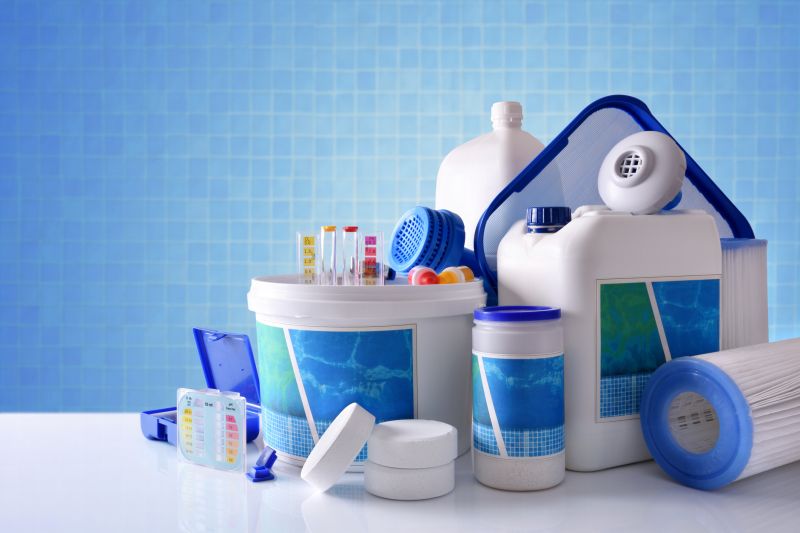
Sample collection for water quality analysis.
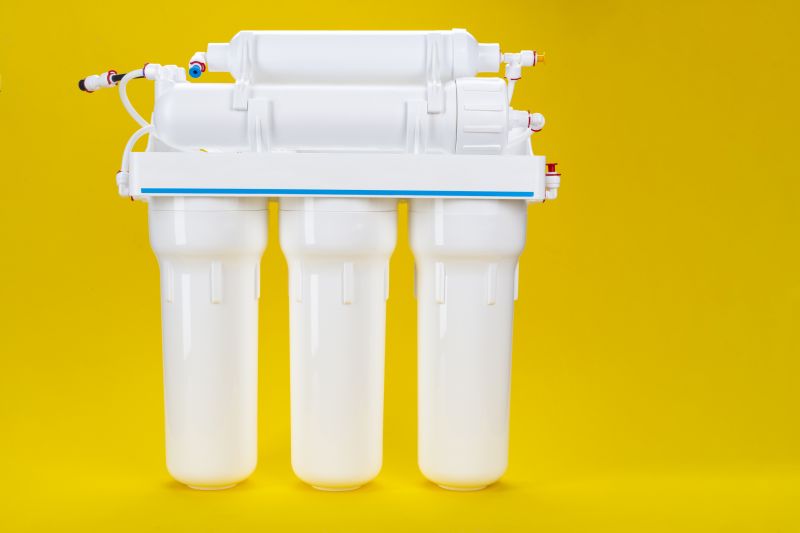
Ways to make Water Treatments work in tight or awkward layouts.
Popular materials for Water Treatments and why they hold up over time.
Simple add-ons that improve Water Treatments without blowing the budget.
| Aspect | Details |
|---|---|
| Optimal Seasons | Spring and fall are preferred for scheduling water treatments. |
| Water Demand | Lower demand periods allow for more effective treatment application. |
| Water Quality Monitoring | Regular testing helps determine the best treatment timing. |
| Seasonal Changes | Adjust treatments before seasonal shifts to maintain water quality. |
| Regulatory Deadlines | Coordinate treatments with inspection schedules. |
| System Maintenance | Perform treatments during planned maintenance windows. |
| Weather Conditions | Avoid treatments during extreme weather for safety and effectiveness. |
Water treatments play a critical role in maintaining water quality standards and preventing contamination. They involve processes such as filtration, chemical dosing, and disinfection to remove impurities and pathogens. Proper timing ensures these processes are most effective, reducing the likelihood of issues like scaling, corrosion, or microbial growth. Regular assessments and adherence to recommended schedules can prolong system lifespan and improve water safety.
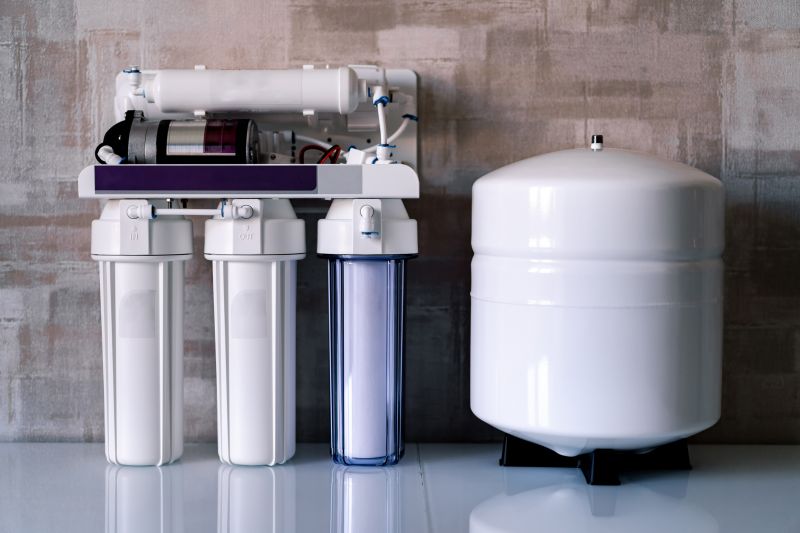
A modern water treatment plant in operation.
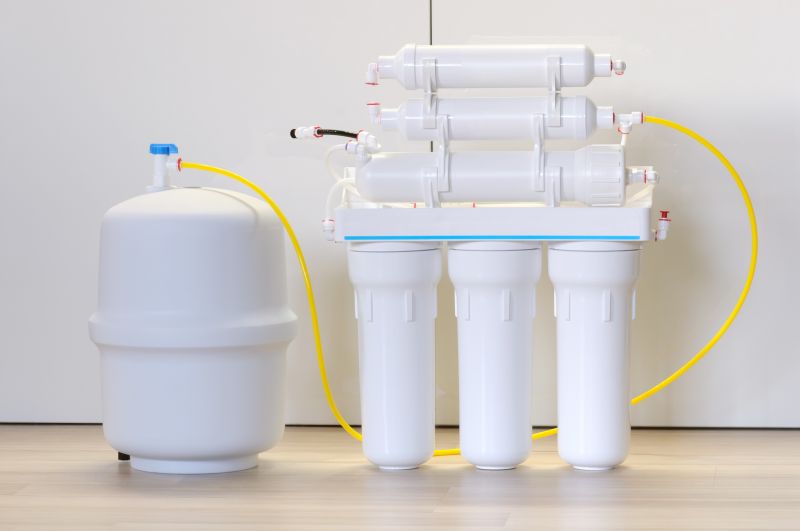
Chemical agents being added for water purification.
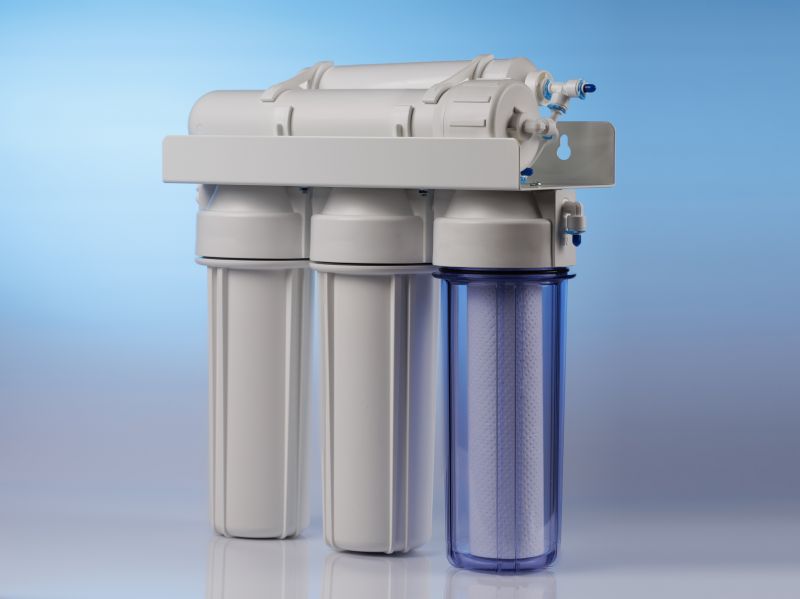
Laboratory analysis of water samples.

Chlorination process in progress.

High-end options that actually feel worth it for Water Treatments.
Finishes and colors that play nicely with Water Treatments.
Understanding the optimal timing for water treatments can significantly improve water quality management. Scheduling treatments during low-demand periods or before seasonal peaks ensures better penetration and effectiveness. Regular monitoring and adjusting treatment schedules based on water quality data can help prevent costly issues and ensure compliance with health standards. Properly timed treatments contribute to consistent water safety and system efficiency.
Interested in scheduling water treatments? Fill out the contact form to receive more information.